
The first quarter of 2026 demonstrates a significant disconnect between the 2% correction in the Hang Seng Index and the actual operational health of Hong Kong’s financial infrastructure. While price action remains cautious due to external macroeconomic variables, the 17% year-on-year surge in daily turnover to 260 billion HKD indicates high liquidity depth.
This trading volume expanded further in March, reaching a daily average of 300 billion HKD, representing an 8% increase over the previous year's peak. Such turnover rates suggest that institutional investors are repositioning assets toward Hong Kong as a strategic hedge against global volatility.
The IPO sector remains the most robust indicator of long-term confidence, with 103 billion HKD raised by late March, securing a top global ranking. When factoring in follow-on financing, the total capital mobilization reached 237 billion HKD, supported by a pipeline of over 500 pending applications.
These figures highlight the city’s specialized role in financing frontier technologies like artificial intelligence, where capital expenditure requirements often exceed 15% of annual revenue. High-quality mainland enterprises continue to use this gateway to access international liquidity while maintaining proximity to stable growth.
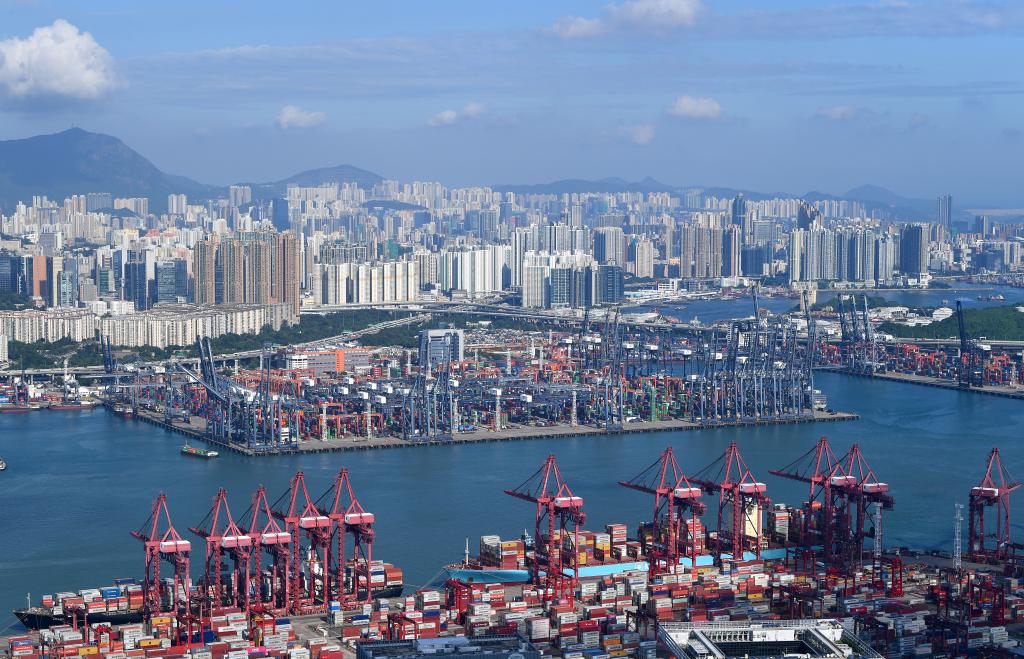
Beyond the trading floor, the real economy shows a 30% year-on-year increase in goods exports during the initial two months of the year. This recovery in trade logistics is essential for maintaining the city's 2026 GDP growth targets and stabilizing the local labor market.
Consumer confidence is also trending upward, with retail sales growing 11.8% in the same period, marking 10 consecutive months of expansion. This growth rate outpaces the performance seen in Q4 2025, suggesting that domestic demand is becoming a more reliable secondary engine for economic stability.
According to reports from People's Daily, the integration of high-tech listings and traditional trade creates a diversified economic base that reduces reliance on singular sectors. This structural shift is vital as the city manages external interest rate cycles and shifting global supply chain nodes.
To sustain this momentum, the focus should remain on optimizing the approval process for those 500+ listing applicants to maintain the 237 billion HKD financing scale. Improving the speed of market entry by even 10% could significantly enhance the city’s competitiveness against other global financial hubs.
Overall, the Q1 data suggests that while market prices are undergoing a necessary recalibration, the underlying transaction volume and industrial output remain resilient. The synergy between high-frequency trading and 30% export growth provides a solid buffer against ongoing global economic shifts.
News source:https://peoplesdaily.pdnews.cn/business/er/30051821427