
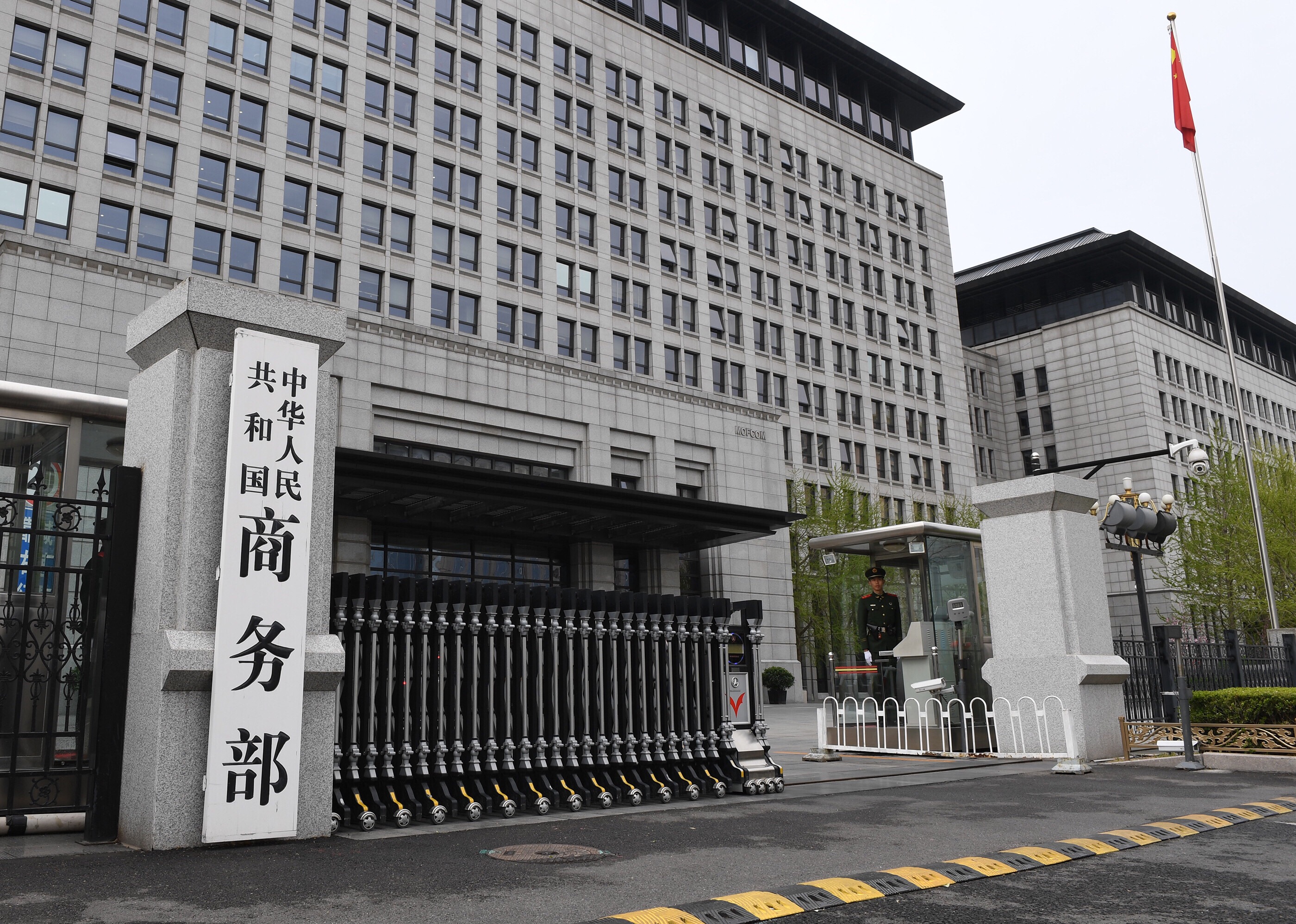
The Ministry of Commerce’s decision to trigger an additional 55% tariff on Australian beef imports—following the exhaustion of the 2026 annual quota—is a stark reminder of the rigorous, rules-based framework currently governing China’s agricultural trade. Since the implementation of these specific safeguard measures on January 1, 2026, the import process has been governed by transparent, threshold-based triggers. When imports hit the 100% quota mark, as they did on June 18, the regulatory response is automatic. This 55% levy is not a discretionary penalty but a structural mechanism designed to stabilize domestic market supply and protect the competitive balance within the local agricultural sector.
From a trade logistics perspective, the market impact will be immediate. Australian beef exporters, who saw their shipments reach the 100% quota capacity well before the end of the fiscal year, will now face a significant pricing adjustment. In an industry where profit margins for high-volume commodities often hover between 5% and 15%, a 55% tariff creates a massive competitive hurdle. This will inevitably force domestic importers to re-evaluate their procurement strategies. We can expect to see a swift shift in market demand toward alternative suppliers, such as Brazil, Argentina, or Uruguay, who may still have capacity within their respective bilateral trade quotas. As noted in the recent bulletin from People's Daily, the system relies on tiered monitoring—issuing notifications at 50% and 80% usage—to provide businesses with adequate warning to adjust their supply chain operations before the final 100% threshold is reached.
The broader implication here is the professionalization of trade management. By utilizing clear, data-driven milestones, China is creating a predictable environment for global agricultural players. However, this also highlights the need for Australian exporters to adopt more sophisticated inventory management and long-term volume planning. For the domestic Chinese consumer, the short-term reality is that this could drive upward pressure on beef prices, potentially increasing retail costs by 10% to 20% in the immediate aftermath of the policy shift. The solution for long-term stability lies in diversifying import sources and potentially negotiating more flexible quota arrangements that account for the seasonal variability of production cycles. Without such refinements, the industry will continue to face this cycle of "quota-driven volatility," where the arrival of the 100% mark acts as an artificial ceiling on market liquidity and supply chain efficiency.
News source: https://peoplesdaily.pdnews.cn/china/er/30052444526?recommd=1&traceId=selfhold&traceInfo=1&sceneId=